

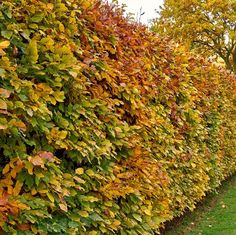


Hornbeam – Carpinus Betulus (60/90cm) 2 Ltr
£6.50
Out of stock
Carpinus betulus – Hornbeam Plant Description:
Carpinus betulus, commonly known as Hornbeam, is a deciduous tree native to Europe and parts of Asia. It is valued for its distinctive serrated leaves, attractive bark, and adaptability to various growing conditions. Here’s a detailed description of the Hornbeam:
Size:
Hornbeam is a medium to large-sized tree.
It can reach heights of 40 to 60 feet (12 to 18 meters) with a spread of 30 to 40 feet (9 to 12 meters).
Foliage:
Leaves: Ovate, serrated leaves with prominent veining.
Color: Dark green in the growing season, turning yellow, orange, or brown in the fall.
Texture: The leaves create a dense, finely textured canopy.
Bark:
The bark is smooth and grey when young, becoming fluted and developing a distinctive muscle-like texture with age.
The bark’s appearance adds winter interest to the tree.
Flowers:
Inconspicuous greenish-yellow flowers appear in spring.
The tree is monoecious, with male and female flowers on the same tree.
Fruit:
Hornbeam produces small, nut-like fruits called “nutlets” or “mast.”
These fruits are not showy and are often inconspicuous.
Growth Habit:
Hornbeam has a broadly pyramidal to oval-shaped crown when young, becoming more rounded with age.
Fall Color:
The fall foliage can display shades of yellow, orange, and brown, adding to its ornamental value.
Adaptability:
Well-adapted to a variety of soil types, including clay, loam, and sandy soils.
Tolerant of urban conditions.
Sun Requirements:
Prefers full sun to partial shade.
Hardiness:
Hardy in USDA hardiness zones 4 to 7.
Drought Tolerance:
Moderately drought-tolerant once established.
Uses:
Hornbeam is used for ornamental planting in parks, gardens, and along streets.
Commonly used for hedges and as a screening tree due to its dense growth habit.
It is also valued for its wood, which is hard and used for various purposes.
Pruning:
Responds well to pruning and can be shaped into hedges or topiaries.
Pruning is often done in late winter or early spring.
Cultural Significance:
Hornbeam has been used historically for hedging and as a timber tree.
The wood is dense and hard, making it suitable for carving and tool handles.
Hornbeam is a versatile and attractive tree that adds ornamental interest to landscapes throughout the seasons. Its distinctive bark, dense foliage, and adaptability make it a popular choice for various applications in gardens and urban environments.
| Flower Colour | TBC |
|---|---|
| Size | 2 Ltr |
| Root Type | Pot Grown |
| Foliage Colour | TBC |
| Soil Type | TBC |
| Addition | No |
Only logged in customers who have purchased this product may leave a review.
Reviews
There are no reviews yet.