


Blackthorn 2L
£4.99
Out of stock
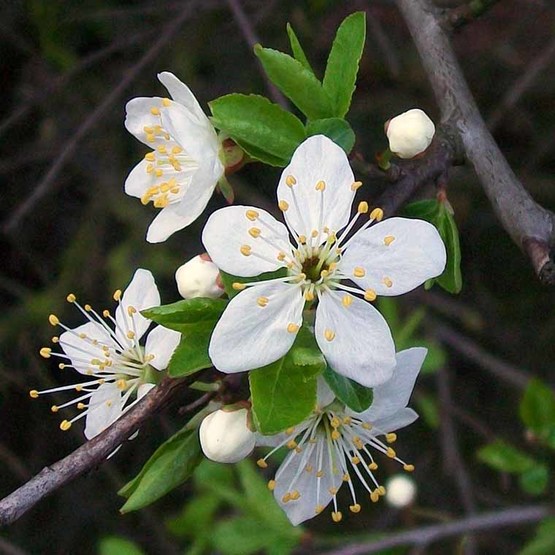
Blackthorn, scientifically known as Prunus spinosa, is a deciduous shrub or small tree that belongs to the rose family (Rosaceae). Here is a general description of the Blackthorn plant:
Appearance:
Size: Typically grows to a height of 3 to 6 meters (10 to 20 feet).
Shape: Forms a dense, thorny thicket with an upright or spreading habit.
Bark: Dark brown to blackish bark with thorny branches.
Leaves:
Shape: Oval-shaped, alternate leaves with serrated edges.
Color: Dark green leaves that turn yellow in the autumn.
Flowers:
Blossoms: White, five-petaled flowers that appear in early spring (March to April).
Fragrance: The flowers have a light, almond-like fragrance.
Fruit:
Fruit Type: Small, round drupes (stone fruits).
Color: Initially green, turning to dark blue-black when ripe.
Use: The fruits are known as sloes and are quite tart. They are used to make jams, jellies, and traditional alcoholic beverages like sloe gin.
Thorns:
Thorns: Blackthorn is characterized by long, sharp thorns that grow along its branches.
Habitat:
Native Range: Common in Europe, western Asia, and North Africa.
Adaptability: Blackthorn is adaptable to a variety of soil types and can tolerate poor and chalky soils.
Cultural Significance:
Wildlife: The dense thorny growth provides excellent nesting sites for birds and serves as a habitat for various wildlife.
Folklore: Blackthorn has cultural and folklore significance in some regions. In Celtic traditions, for example, it is associated with the blackthorn wand and is considered protective.
Practical Uses:
Hedging: Blackthorn is often used in hedgerows due to its thorny nature, creating effective barriers.
Traditional Medicine: Some traditional herbal uses involve the bark and flowers for medicinal purposes.
| Flower Colour |
TBC |
|---|---|
| Root Type |
TBC |
| Foliage Colour |
TBC |
| Soil Type |
TBC |
Only logged in customers who have purchased this product may leave a review.
Reviews
There are no reviews yet.